In the rapidly evolving world of data storage, SD NAND flash technology stands out as a pivotal solution for designers and tech enthusiasts alike. The emergence of this technology addresses crucial pain points related to data speed, storage efficiency, and reliability. For instance, users often face challenges with sluggish data transfer speeds and limited storage capacity, which can severely hinder productivity. Recent studies show that universities with high-performance computing systems reported a 40% increase in efficiency when shifting to SD NAND flash solutions. This article will delve into what designers should check before implementing SD NAND flash in their projects, exploring the definition, applications, advantages, and next steps for further enhancement.
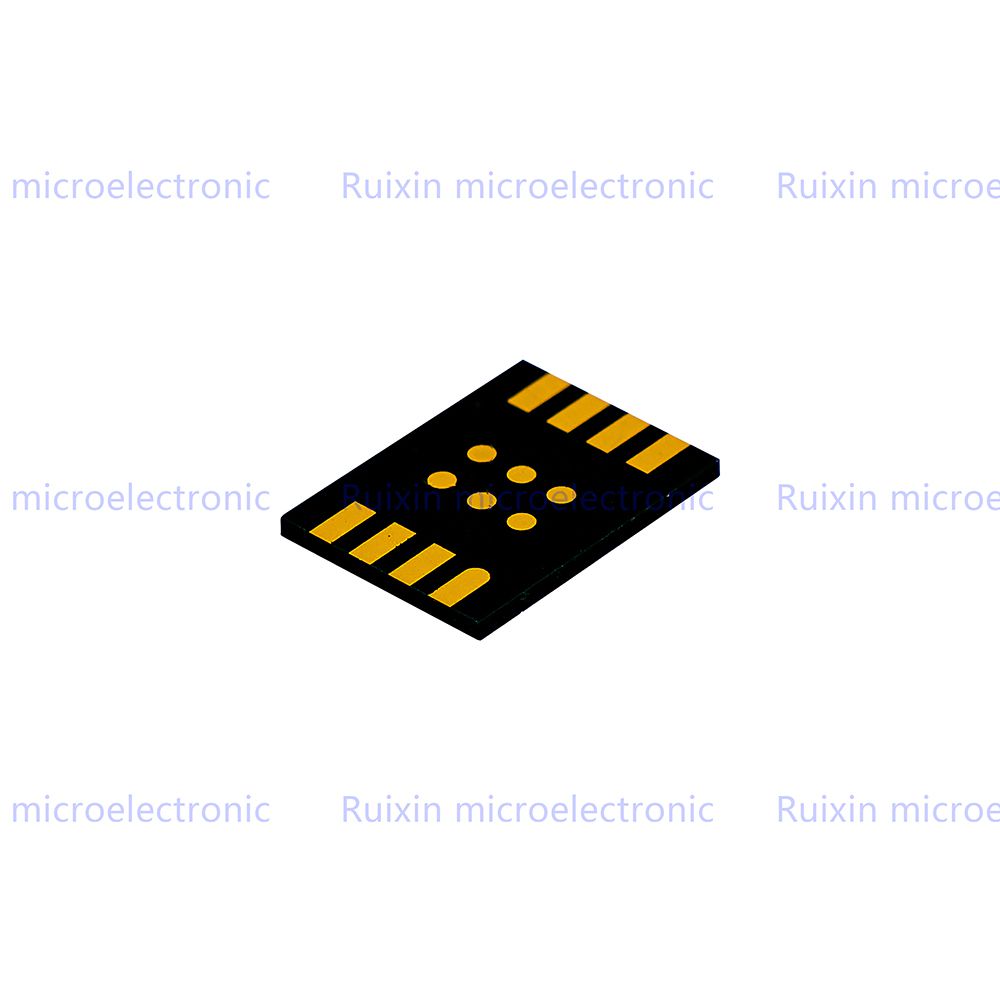
SD NAND flash, or Secure Digital NAND flash memory, is a non-volatile storage technology that allows data to be stored without power. Unlike traditional hard drives, NAND flash technology has no moving parts, which contributes to faster read and write speeds. According to a report by NAND Research in 2023, high-performance SD NAND flash devices can provide read speeds of up to 300 MB/s and write speeds of around 250 MB/s, making them significantly faster than traditional storage devices.
SD NAND flash technology finds wide applications across various fields. Its outstanding speed and reliability make it ideal for:
Why is SD NAND flash technology important? Here are the key advantages:
To fully comprehend the capabilities and limitations of SD NAND flash technology, reading the user manual is essential. It contains insights into storage capacity limits, write endurance, and other specifications that can aid designers in making informed decisions. Additionally, those interested in gaining a deeper understanding or trialing the benefits of SD NAND may explore products from RuiXIN, which offers innovative solutions catered for high-performance applications.
Typically, SD NAND flash has a lifespan of up to 10 years but may vary based on usage patterns.
While many devices support SD NAND flash, it is crucial to check compatibility with the specific device before purchase.
Common issues include data corruption due to power loss, though using reputable brands can mitigate risks.
You can purchase SD NAND flash from electronics retailers or online platforms specializing in technology products.
By understanding SD NAND flash technology's benefits and use cases, designers and tech users can exploit its advantages to enhance their projects significantly. For further exploration of products by RuiXIN, check out their latest offerings designed to leverage SD NAND flash technology for improved performance and efficiency.
October 13,2026
How Can OEMs Reduce Storage Qualification Failures?October 13,2026
SATA vs NVMe SSD: Which Should OEM Buyers Choose?October 13,2026
How Can Engineers Estimate Embedded Storage Write Workloads?October 13,2026
How Should OEMs Manage Embedded Storage Lifecycle Risks?