When it comes to selecting the right storage solution, businesses often find themselves torn between SD NAND and eMMC technologies. Both have unique advantages, but understanding which best fits your operational needs can seem overwhelming. In this article, I'll outline clear, actionable steps to help you make an informed decision, ensuring your storage choice effectively solves your specific challenges. With a focus on practical application, I aim to simplify this process for you.
To begin, it’s crucial to identify the application's requirements. Delve into your operational demands by assessing the following factors:
Once you've assessed your needs against these factors, I recommend carrying out a hands-on comparison. Here’s how:
Research Specifications: Refer to the latest datasheets from providers like RuiXIN. Look for parameters such as read/write speeds, endurance (measured in P/E cycles), and power consumption figures.
Conduct Real-World Testing: If possible, conduct trials with both SD NAND flash and eMMC. Benchmark performance in realistic scenarios that reflect your operational use, such as multitasking capabilities or data-heavy applications.
Review User Feedback: Search for case studies or customer testimonials about vendors. Understanding how others have leveraged these technologies and their pitfalls will inform your decision-making process.
The outcome of selecting the appropriate storage can significantly affect business efficiency and productivity. For instance, transitioning to SD NAND may reduce application load times by up to 30%, translating directly to improved user satisfaction. Conversely, if immediate cost savings are a priority, eMMC might allow for more devices to be implemented within the same budget. Carefully weighing these outcomes allows for strategic planning that aligns with your business objectives.
Choosing between SD NAND and eMMC won’t come without its hurdles. Here are some challenges you might face and how to address them:
To streamline your storage solution selection, employ these tools:
Embracing these steps will not only enhance your evaluation process but empower your business to make wise storage decisions that leverage both SD NAND flash and eMMC technologies effectively. Remember, investing the time upfront can yield substantial dividends in operational efficiency and cost savings—time to act!
For more information and in-depth analysis, I recommend checking out resources at RuiXIN and their comprehensive offerings on storage solutions. You can also explore visual data representations to better understand the differences and applications via this resource: 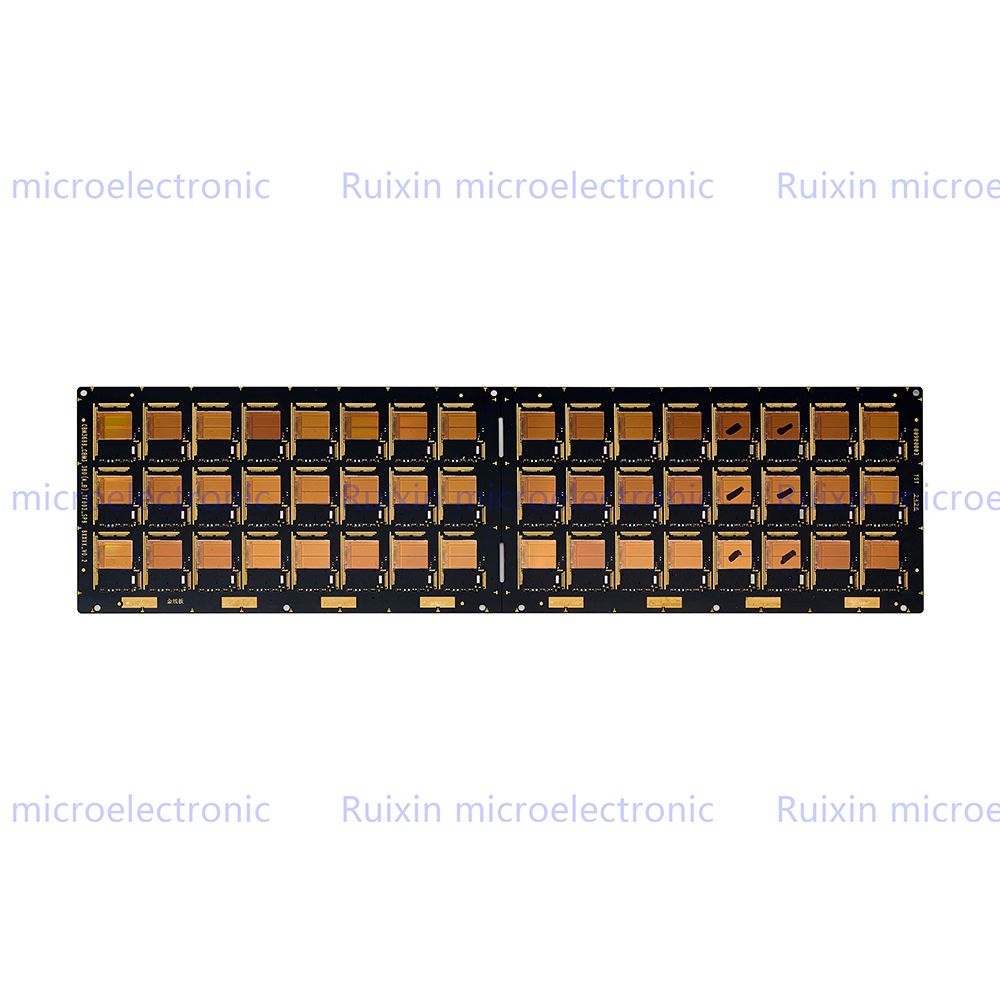 .
Ultimately, choosing between SD NAND and eMMC hinges on a detailed understanding of your organization's needs and the unique capabilities each storage type offers. Now that you’ve gathered the necessary insights, it’s time to select the solution that will streamline your operations!
October 13,2026
How Can OEMs Reduce Storage Qualification Failures?October 13,2026
SATA vs NVMe SSD: Which Should OEM Buyers Choose?October 13,2026
How Can Engineers Estimate Embedded Storage Write Workloads?October 13,2026
How Should OEMs Manage Embedded Storage Lifecycle Risks?