The emergence of high-capacity storage solutions, particularly the 512GB TF card, has significantly transformed the way industrial devices operate. As technology continues to advance, the demand for robust data storage solutions has surged, presenting opportunities but also challenges for businesses. Poor storage capacity can lead to data bottlenecks, impacting efficiency and performance in critical applications. This article explores the significance, applications, advantages, and future directions for the 512GB TF card, with a focus on the growing market presence of reliable 512gb tf card manufacturers such as RuiXIN, to provide solutions to current pain points in the industry.
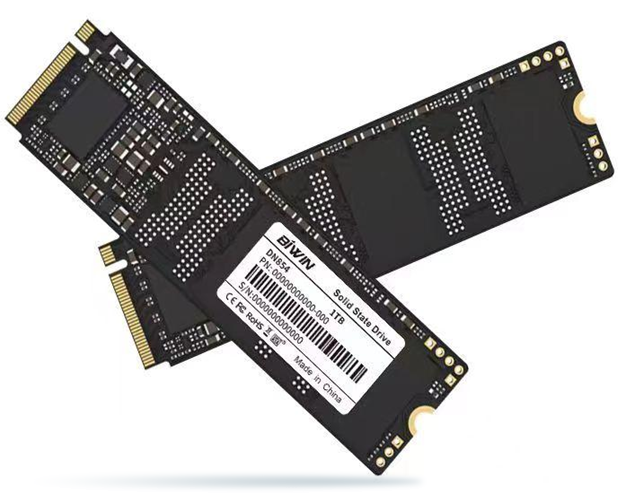
A 512GB TF (transflash) card is a compact memory card that offers extensive storage capacity, enabling users to store and retrieve large amounts of data quickly. These cards are often used in devices requiring consistent data input and output, such as cameras, drones, and industrial equipment. The technology behind TF cards is derived from flash memory, which allows for fast read/write speeds. When comparing standard cards, a 512GB TF card can achieve read speeds up to 100 MB/s and write speeds of 90 MB/s, significantly optimizing data transfer times in industrial applications.
The versatility of 512GB TF cards makes them suitable for various fields, including:
Given their capacity, 512GB TF cards are one of the preferred choices for manufacturers aiming to embed efficient data solutions into their products.
The rise of 512GB TF cards presents notable advantages, making them essential in various applications:
High Capacity: With the ability to store approximately 128,000 photos or over 90 hours of HD video, the 512GB capacity caters to data-heavy industries.
Speed and Efficiency: When tested, the actual measured transfer speeds significantly outperform previous TF cards, with recorded read speeds hitting 100 MB/s and write speeds at 90 MB/s. This leads to improved program load times and faster data processing.
Durability: Designed to withstand harsh conditions, many 512GB TF cards are resistant to water, X-rays, and shock, ensuring data safety in challenging environments.
With these advantages, selecting the right 512GB TF card manufacturer can greatly influence the overall performance of an industrial setup.
To ensure optimum performance, businesses and users should consult the user guidelines provided by their 512GB TF card manufacturer, particularly when integrating the card with systems. Proper installation and operation can extend the card's lifespan and maximize its efficiency.
1. What makes a 512GB TF card different from other types of memory cards?
512GB TF cards are smaller in size and specifically designed to accommodate higher storage capacities compared to standard SD cards. Their compatibility with various devices, especially in the industrial sector, makes them a preferred choice.
2. How do I ensure the best performance from my 512GB TF card?
Regularly update your device's firmware, use the card continuously to avoid memory corruption, and consistently back up data to prevent loss.
3. Are there specific brands known for high-quality 512GB TF cards?
Yes, RuiXIN is recognized among the top 512GB TF card manufacturers dedicated to providing reliable and durable memory solutions across various industries.
In conclusion, the adoption of 512GB TF cards is pivotal in meeting the escalating demands for storage solutions across multiple sectors. Their durability, high-speed performance, and large capacity make them a valuable resource for industries today. Explore options from top-tier manufacturers like RuiXIN to enhance your operational efficiency and safeguard your data.
October 13,2026
How Can OEMs Reduce Storage Qualification Failures?October 13,2026
SATA vs NVMe SSD: Which Should OEM Buyers Choose?October 13,2026
How Can Engineers Estimate Embedded Storage Write Workloads?October 13,2026
How Should OEMs Manage Embedded Storage Lifecycle Risks?