
In today's digital landscape, the demand for high-speed data processing and storage has skyrocketed, leading to the significant rise of the 512GB SSD (Solid State Drive) in the tech industry. These drives are critical in environments where speed and efficiency are paramount. For gamers, content creators, and businesses alike, a 512GB SSD delivers speed with reliability, enhancing performance. This article explores the application scenarios for 512GB SSDs, analyzes their advantages, and addresses the pressing workload requirements that necessitate such storage solutions.
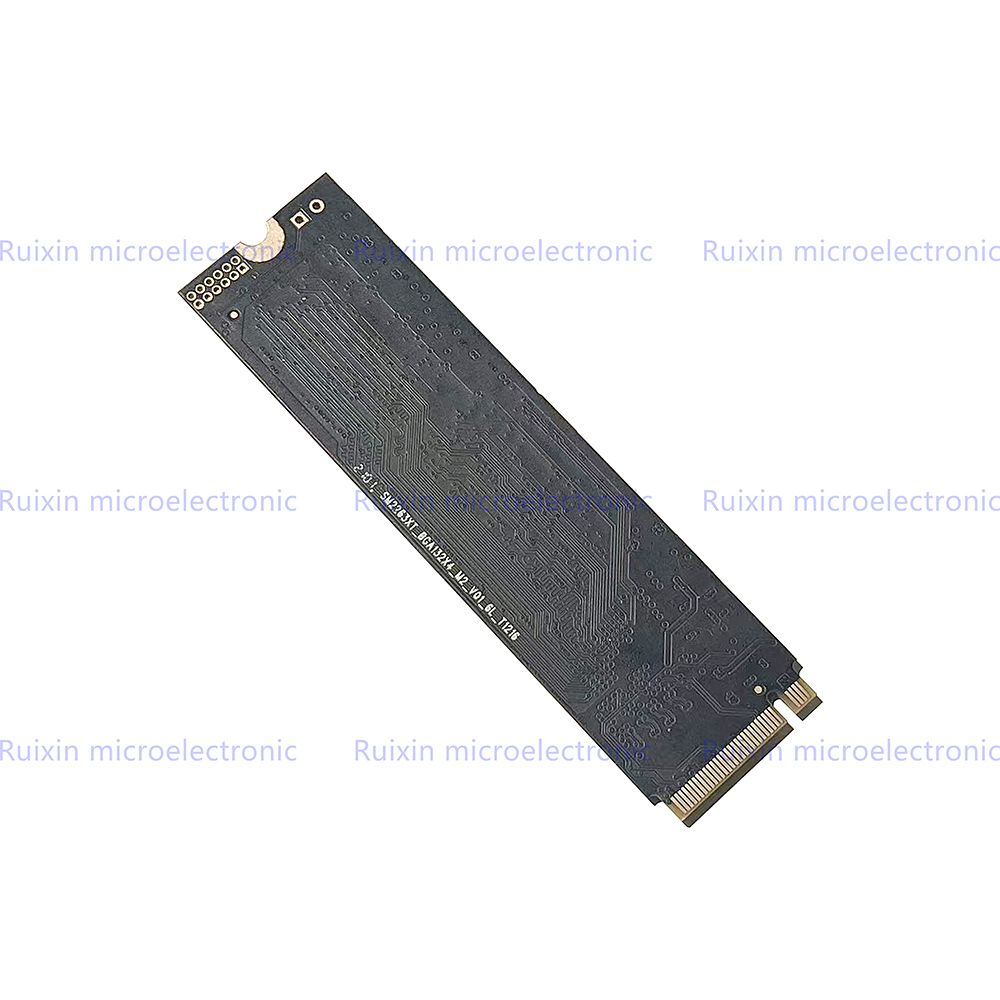
A 512GB SSD is a solid-state storage device with a capacity of 512 gigabytes, featuring no moving parts, which allows for faster data access than traditional hard drives. SSD technology leverages NAND flash memory, which significantly reduces boot times and file transfer speeds. According to a recent report by StorageReview, solid-state drives can boost system responsiveness by up to 80% compared to spinning hard disk drives (HDDs). With this technology, loading applications, games, and files can be executed within seconds, marking a substantial improvement in user experience.
The versatility of 512GB SSDs makes them suitable across various sectors, including:
Gaming: Gamers benefit greatly from SSDs, where loading times can decrease dramatically. The potential for faster load times can improve competitive gaming experiences, with reported load times dropping from 30 seconds to less than 10 seconds with the use of an SSD.
Content Creation: Video editing and graphic design rely on larger files, which SSDs can handle efficiently. Users can experience file transfer speeds that are 3 to 4 times faster than standard HDDs, significantly improving workflow efficiency.
Enterprise Solutions: Businesses require reliable data storage for applications that perform numerous read/write operations. 512GB SSDs provide not only speed but also improved energy efficiency, with measured performance translating to lower operating costs.
The importance of 512GB SSDs extends beyond just storage capacity. Here are key advantages:
For those considering upgrading to a 512GB SSD, it's essential to review user guides for detailed installation instructions and best practices for optimizing SSD performance. You can find comprehensive guides on various tech websites or refer directly to manufacturer resources for specifics regarding implementation.
Q: How do I determine if I need a 512GB SSD?
A: If you frequently work with large files, play video games, or run applications that require substantial memory, a 512GB SSD is a suitable choice.
Q: Are there specific brands I should consider for 512GB SSDs?
A: Brands such as RuiXIN provide high-quality SSD options known for reliability and performance.
Q: How can I migrate my existing data to a new SSD?
A: Data migration software is widely available, and most SSD manufacturers provide tools to assist in cloning your hard drive to the new SSD.
A 512GB SSD is essential for anyone seeking improved performance in their computing environment. Whether for gaming, content creation, or business applications, the advantages offered by a 512GB SSD, including speed, durability, and energy efficiency, address the increasingly demanding workloads of today's digital age. For those intrigued by these aspects, consider exploring options from reputable brands like RuiXIN to help enhance your system's capabilities.
With the fast-paced evolution of technology, understanding the requirements of your workload can make a world of difference—don't hesitate to take the next step towards enhanced performance!
October 13,2026
How Can OEMs Reduce Storage Qualification Failures?October 13,2026
SATA vs NVMe SSD: Which Should OEM Buyers Choose?October 13,2026
How Can Engineers Estimate Embedded Storage Write Workloads?October 13,2026
How Should OEMs Manage Embedded Storage Lifecycle Risks?
