
The digital age demands robust and reliable storage solutions, particularly in industrial settings where data integrity is paramount. This is where high reliability SD NAND technology comes into play. As companies increasingly rely on data for operations, the emergence of high reliability SD NAND plays a crucial role in ensuring that storage is not simply convenient, but also optimally efficient and secure. With industrial applications ranging from manufacturing systems to sensitive data collection devices, traditional removable cards fall short. In this context, high reliability SD NAND can solve problems such as data loss due to environmental extremes, slow read/write speeds, and limited endurance, offering a transformative solution in mission-critical operations.
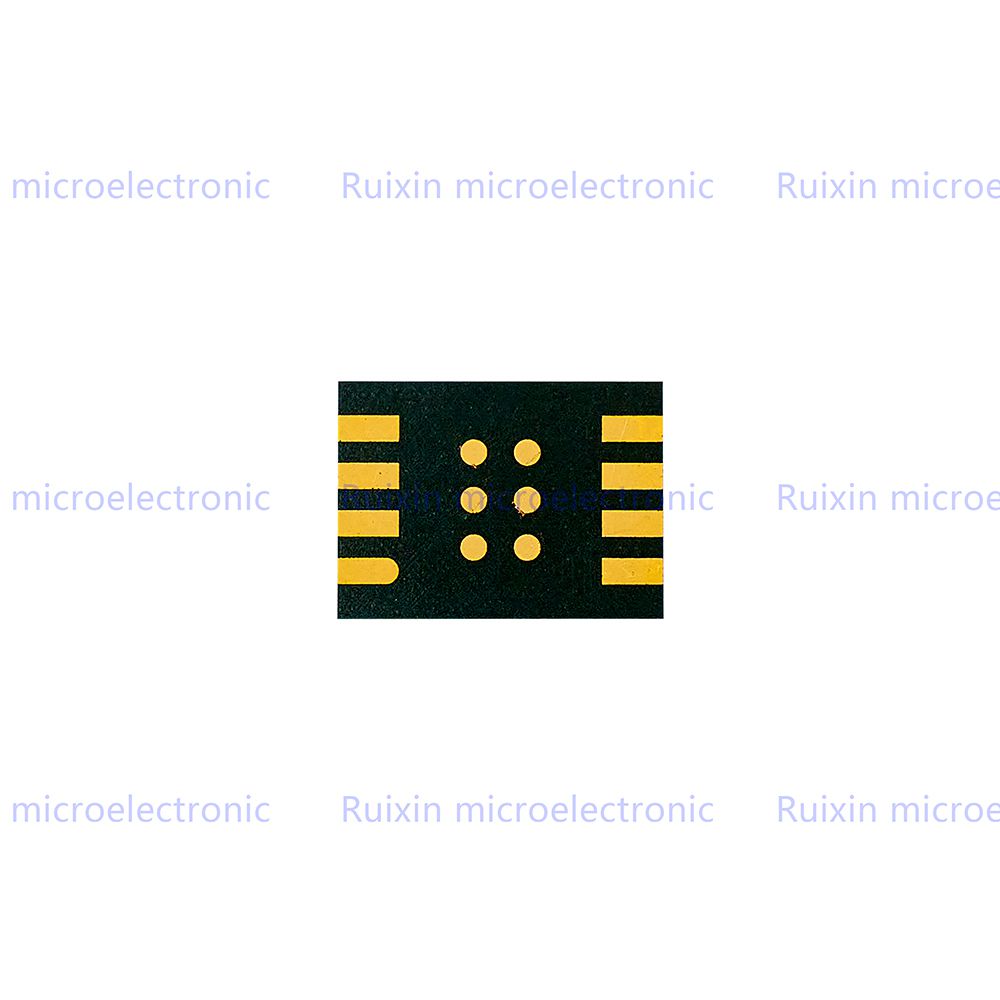
High reliability SD NAND refers to a specific type of flash memory integrated into SD cards designed for rugged conditions and demanding applications. Unlike standard SD cards, which may operate effectively in typical environments, high reliability SD NAND technology incorporates enhanced error correction, improved wear leveling, and robust physical constructions that meet industrial standards. This reliability translates to a lifespan that can exceed 100,000 write cycles, as compared to the mere 3,000 write cycles commonly associated with typical removable cards.
High reliability SD NAND finds its applications across several key sectors:
Endurance and Longevity: High reliability SD NAND cards can endure over 100,000 program/erase cycles, drastically improving their lifespan compared to standard cards that often fail after less than 3,000 cycles. This durability translates to long-term cost savings and less downtime.
Performance: Measured read/write speeds can reach up to 170 MB/s for data transfers, significantly outperforming conventional removable cards, which often do not exceed 80 MB/s under optimal conditions. This performance enables quicker data processing and efficient workflows in industrial applications.
Data Security: With built-in encryption support, high reliability SD NAND cards reduce the risk of data breaches and corruption. The implementation of advanced error correction algorithms can effectively reduce the error rates to less than 1 in 10^15 bits read, ensuring data integrity is maintained.
Environmental Tolerance: These cards can withstand extreme temperatures ranging from -40°C to +85°C (-40°F to +185°F), making them suitable for harsh industrial environments where conventional cards would fail.
For those considering transitioning to high reliability SD NAND, it is advisable to refer to the user guide. This will provide essential insights into compatibility, installation, and maintenance requirements. Brands like RuiXIN offer extensive resources on high reliability SD NAND specifications, ensuring that users can make informed decisions tailored to their specific needs.
1. How does high reliability SD NAND differ from standard removable cards? High reliability SD NAND offers enhanced endurance, better performance under pressure, and advanced data protection features compared to standard removable cards.
2. What industries benefit the most from high reliability SD NAND? Industries such as manufacturing, telecommunications, aerospace, defense, and healthcare prominently benefit from high reliability SD NAND due to their increased demands on data integrity and security.
3. Can high reliability SD NAND be used in consumer electronics? While primarily designed for industrial applications, some high reliability SD NAND cards are suitable for consumer use, particularly in scenarios requiring high data durability.
In summary, as industries continue to evolve and rely heavily on precise data management, high reliability SD NAND emerges as an essential storage solution. By providing extensive endurance, exceptional performance, and unmatched security, it addresses the particular challenges faced in various sectors. For those exploring high reliability SD NAND options to meet specific industrial needs, resources from brands like RuiXIN can facilitate informed purchasing decisions. For detailed guidance, consulting the user manual or FAQ sections will enhance understanding and usability.
By incorporating high reliability SD NAND technology, industries can confidently elevate their operations, reduce risks, and pave the way for a data-driven future.
October 13,2026
How Can OEMs Reduce Storage Qualification Failures?October 13,2026
SATA vs NVMe SSD: Which Should OEM Buyers Choose?October 13,2026
How Can Engineers Estimate Embedded Storage Write Workloads?October 13,2026
How Should OEMs Manage Embedded Storage Lifecycle Risks?
