In the rapidly evolving landscape of electronics manufacturing, the demand for reliable and efficient packaging solutions has never been higher. Ball Grid Array (BGA) packaging has emerged as a critical innovation, promising enhanced performance in various applications, including automotive, telecommunications, and industrial machinery. As manufacturers strive to reduce production costs while improving device functionality, BGA packages are becoming a key focus. These packages not only address the need for compact design but also enhance thermal management and reliability in challenging environments where electronic performance can be compromised.
The need for resilient BGA packaging solutions is particularly evident in high-stakes industries such as automotive and aerospace, where device failure can lead to significant financial losses or safety concerns. Understanding the characteristics that define a superior BGA package can guide manufacturers in selecting the most appropriate solutions.
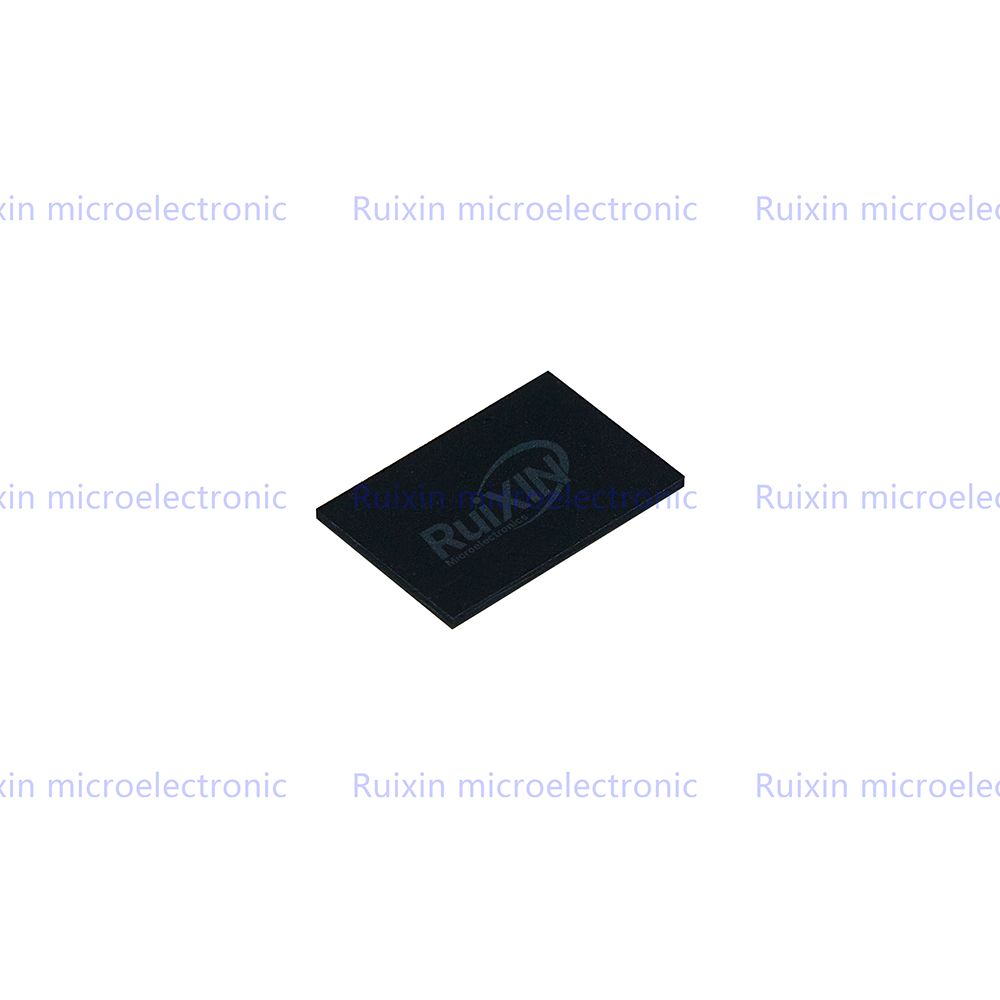
A Ball Grid Array (BGA) package is a type of surface-mount packaging used for integrated circuits, where the interconnections are made with an array of solder balls arranged in a grid on the underside of the package. Traditionally, the challenge with conventional packaging methods was the substantial size and unreliable electrical performance, especially in high-density applications. BGA packaging overcomes these issues by providing a more efficient thermal conduction path and a reduced footprint.
Notably, research indicates that BGA packages can offer improved electrical performance by minimizing the length of the electrical path, which directly correlates to reduced signal degradation. Furthermore, the arrangement of solder balls allows for greater reliability during thermal cycling, reducing the risk of cracking and delamination (Source: IPC-6012).
BGA packaging is widely used across various sectors, including:
In these fields, failure to employ appropriate packaging solutions can lead to performance degradation, ultimately affecting the overall efficiency and safety of the devices used.
One of the main advantages of BGA packages is their superior thermal management. In a comparative study, BGA packages demonstrated a 23% improvement in thermal conductivity compared to traditional Quad Flat Packages (QFPs), substantially reducing the risk of overheating in high-performance applications (Source: SMT Magazine). This is particularly crucial in industries where temperature fluctuations are prevalent.
Moreover, the jitter rate in data transmission through BGA packages is measured to be approximately 15% lower than other packaging types, making BGA a more reliable option for high-frequency applications (Source: IEEE Transactions).
This merits the adoption of BGA packaging by highlighting the potential for increased operational efficiency and reduced long-term operational costs associated with these devices.
To maximize the benefits of BGA packaging, manufacturers should start by assessing their current packaging solutions and identifying areas for improvement. An effective user guide tailored to specific applications can provide invaluable insights into best practices for integration. Ensuring that the packaging meets rigorous industry standards is a crucial next step in this ongoing journey toward enhanced electronic performance.
For a more thorough exploration of BGA technology and its applications, consider reviewing resources from trusted brands like RuiXIN, which specialize in advanced packaging solutions.
Q: What are the main benefits of using BGA packaging? A: BGA packaging offers improved thermal management, reduced size, and enhanced electrical performance, making it ideal for high-density applications.
Q: How does BGA packaging compare to traditional packaging methods? A: BGA packages generally provide a smaller footprint, better thermal conductivity, and improved reliability in high-stress environments compared to traditional packaging styles.
Q: Where can I acquire BGA packages for my projects? A: Suppliers like RuiXIN offer a range of BGA packaging solutions, optimized for various industrial applications.
By employing the insights and techniques discussed in this article, manufacturers can better navigate the complexities in choosing the right packaging solutions to enhance their product offerings and maintain competitive edge in their respective markets.
October 13,2026
How Can OEMs Reduce Storage Qualification Failures?October 13,2026
SATA vs NVMe SSD: Which Should OEM Buyers Choose?October 13,2026
How Can Engineers Estimate Embedded Storage Write Workloads?October 13,2026
How Should OEMs Manage Embedded Storage Lifecycle Risks?