In recent years, the demand for high-performance SSDs (Solid State Drives) has surged dramatically across various industries, driven by the need for faster data processing and efficient storage solutions. This article delves into high-performance SSD NAND components manufactured in China, addressing pain points such as data latency and reliability. With a high-performance SSD, users can experience an actual measured read speed improvement of up to 550 MB/s, which is crucial in scenarios demanding quick data retrieval, such as video editing or cloud computing. The emergence of SSD technology has revolutionized how we store and access data, marking a significant leap in speed and efficiency compared to traditional HDDs (Hard Disk Drives).
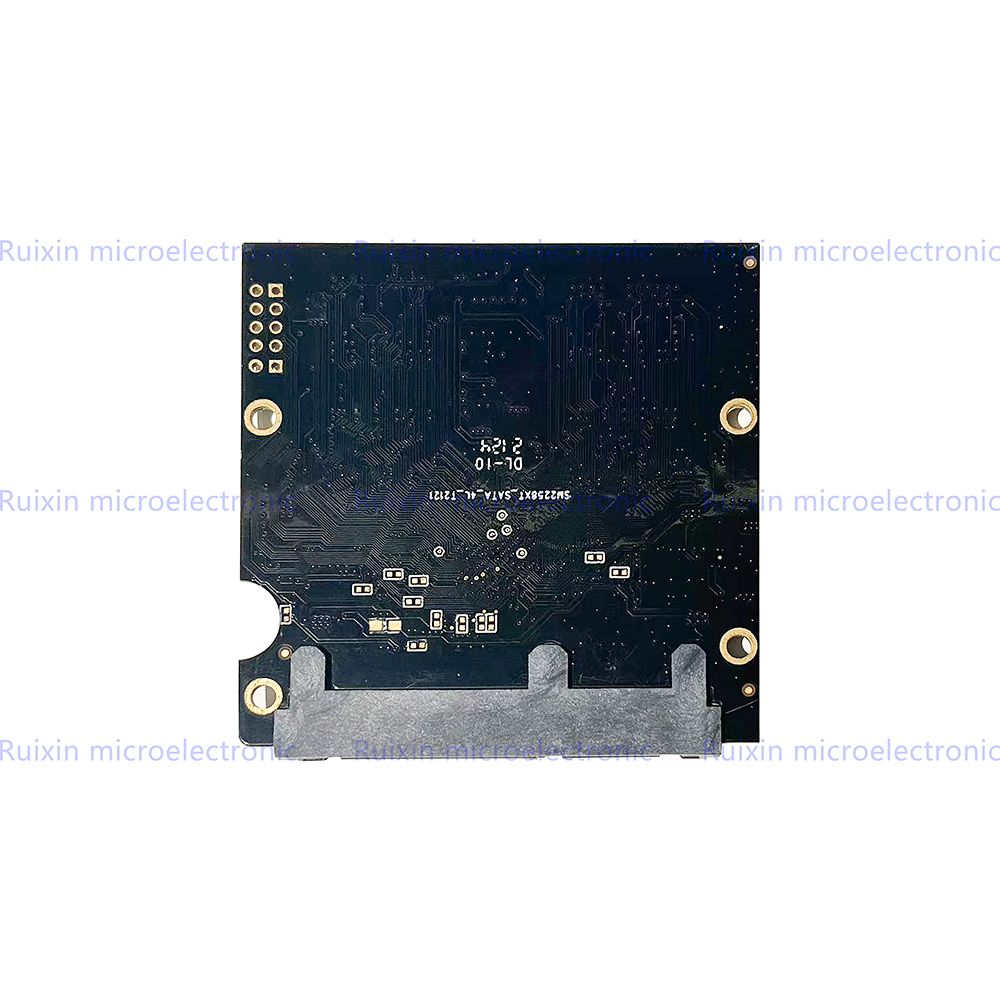
High-performance SSD NAND refers to a type of flash memory used in solid-state drives that is specifically engineered for rapid read and write speeds, increased durability, and lower power consumption. This type of NAND flash is often classified into different categories like SLC (Single-Level Cell), MLC (Multi-Level Cell), TLC (Triple-Level Cell), and QLC (Quad-Level Cell), each with varying levels of performance and endurance. According to industry reports, SLC NAND flash can deliver write speeds of up to 80,000 IOPS (Input/Output Operations Per Second), while QLC might achieve around 30,000 IOPS. Such specifications highlight the importance of understanding NAND types when selecting an SSD for specific applications.
The reliability of industrial SSDs hinges on various components, including the controller, NAND type, and firmware. The controller manages data flow and error correction, crucial for maintaining performance and reliability. The type of NAND used also significantly impacts longevity and speed; for instance, SLC offers higher durability (up to 100,000 write cycles) compared to TLC, which generally supports only around 3,000 write cycles. Additionally, robust firmware algorithms can enhance data integrity through advanced wear-leveling techniques.
High-performance SSDs are pivotal across various fields, including:
Understanding high-performance SSD NAND's advantages is crucial for industries seeking efficient, reliable storage solutions. These advantages include:
For those interested in implementing high-performance SSD NAND solutions, it’s recommended to start by reading user manuals specific to your SSD model. Additionally, exploring manufacturer guidance from brands like RuiXIN can provide further insights into optimizing storage solutions for various applications.
1. What makes SSDs faster than HDDs?
SSDs use flash memory, which allows for quicker data access and retrieval, unlike HDDs, which operate mechanically.
2. How do I choose the right SSD for my needs?
Consider your application requirements, including speed, durability, and storage capacity. Reviewing application use cases can guide you in selecting the appropriate type.
3. Can SSDs fail, and how can I prevent data loss?
Yes, SSDs can fail. To mitigate the risk of data loss, implement regular backups and choose SSDs with advanced error-correcting codes (ECC).
In summary, high-performance SSD NAND produced in China represents a critical development in the world of data storage, offering tangible benefits in speed, reliability, and efficiency across numerous applications. The proper understanding and selection of SSD technology can drastically improve performance in today’s data-driven landscape. Consider trials or product inquiries from trusted brands like RuiXIN to start optimizing your data storage solutions.
October 13,2026
How Can OEMs Reduce Storage Qualification Failures?October 13,2026
SATA vs NVMe SSD: Which Should OEM Buyers Choose?October 13,2026
How Can Engineers Estimate Embedded Storage Write Workloads?October 13,2026
How Should OEMs Manage Embedded Storage Lifecycle Risks?