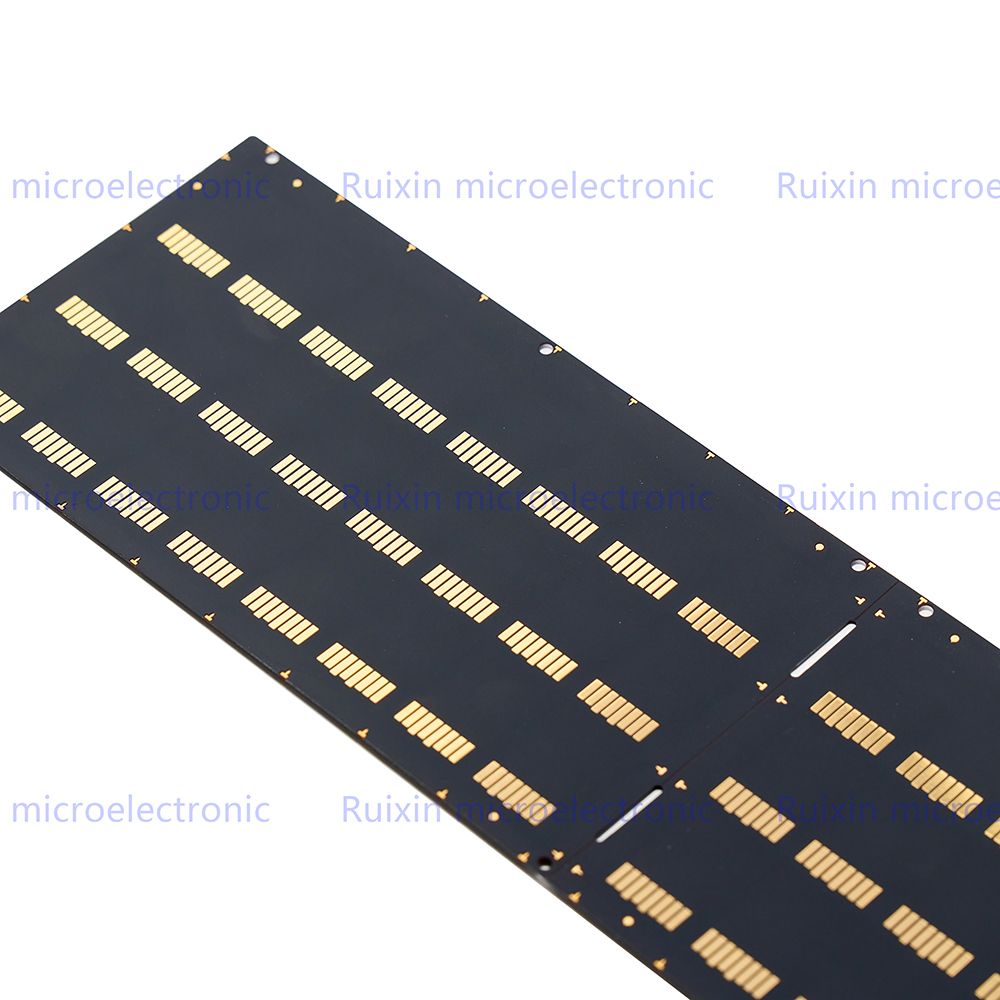
As semiconductor devices become more advanced and widely used in industries such as automotive electronics, artificial intelligence, consumer electronics, telecommunications, and industrial automation, reliable chip testing has become a critical step in ensuring product quality and performance.
For electronics manufacturers, selecting the right semiconductor testing services provider can significantly improve product reliability, reduce development risks, and accelerate time to market.
Professional chip testing services, IC testing services, and semiconductor outsourcing solutions help companies verify electrical performance, identify defects, and optimize manufacturing processes.
RuiXIN provides professional semiconductor testing solutions, supporting global electronics manufacturers with reliable testing technologies, quality control capabilities, and customized semiconductor service solutions.
Semiconductor testing services refer to professional testing processes used to evaluate semiconductor devices, integrated circuits (ICs), wafers, and packaged chips.
The purpose of semiconductor testing is to ensure that chips meet required:
Electrical performance standards
Functional requirements
Reliability specifications
Quality requirements
Semiconductor testing is performed throughout the manufacturing process, from wafer production to final packaged devices.
Common semiconductor testing services include:
Wafer testing service
IC testing service
Memory chip testing
Final product testing
Reliability testing
Failure analysis
Modern semiconductor products are becoming smaller, faster, and more complex.
Even minor defects can affect:
Device performance
Product lifespan
Manufacturing yield
Customer reliability
Professional semiconductor testing helps manufacturers:
Testing identifies defective chips before they enter the market.
This reduces:
Product failures
Warranty costs
Customer complaints
Testing data helps manufacturers identify process problems and improve production efficiency.
Outsourcing testing services allows companies to access advanced testing equipment without investing heavily in internal facilities.
Experienced semiconductor test companies provide efficient testing processes that help shorten product development cycles.
Wafer testing is performed before semiconductor chips are separated and packaged.
During wafer testing, electrical probes contact individual dies on the wafer to check performance.
Key testing items include:
Electrical characteristics
Signal performance
Defect detection
Die quality evaluation
Wafer testing helps manufacturers identify defective chips early and improve production efficiency.
IC testing service focuses on testing integrated circuits after packaging.
It verifies whether chips operate according to design specifications.
Common IC tests include:
Functional testing
Electrical testing
Performance testing
Temperature testing
IC testing is widely used for:
Microcontrollers
Communication chips
Power ICs
Automotive chips
Consumer electronics chips
Memory chips require specialized testing because they involve high-density storage structures.
Memory testing evaluates:
Data storage performance
Reading and writing speed
Error rates
Reliability
Common applications include:
DRAM
NAND Flash
SSD components
Embedded memory
Final testing is performed after packaging and assembly.
It ensures finished semiconductor products meet customer requirements before shipment.
Final tests may include:
Electrical verification
Functional inspection
Reliability evaluation
Quality screening
Professional semiconductor testing requires advanced equipment and technologies.
Common testing equipment includes:
ATE systems are widely used for high-volume semiconductor testing.
They can perform:
Electrical measurements
Functional verification
High-speed testing
Automated sorting
Used mainly for wafer testing.
They provide:
Precise wafer contact
Accurate signal measurement
Defect identification
Burn-in testing evaluates semiconductor reliability under extended operating conditions.
It helps identify early failures and improve product lifespan.
Choosing the right semiconductor test company is an important decision for electronics manufacturers.
Key factors include:
A professional testing partner should have:
Advanced testing equipment
Experienced engineers
Multiple testing capabilities
Strong process management
Different semiconductor products require different testing approaches.
Look for experience with:
Digital ICs
Analog chips
Power semiconductors
Memory devices
Automotive electronics
Reliable semiconductor testing suppliers should follow strict quality standards.
Important considerations include:
Quality control processes
Traceability systems
Data management
Inspection procedures
For many companies, outsourcing semiconductor testing provides advantages such as:
Lower investment costs
Faster production support
Access to professional technology
A capable OSAT partner can provide integrated solutions from testing to packaging.
Many electronics manufacturers choose outsourced semiconductor testing services because of several advantages.
Building an internal semiconductor testing facility requires:
Expensive equipment
Skilled engineers
Continuous technology upgrades
Outsourcing reduces these requirements.
External testing partners can support:
Prototype testing
Small batch production
Mass production
Experienced testing companies provide specialized knowledge and optimized testing processes.
Integrated semiconductor services help manufacturers manage production more efficiently.
Semiconductor testing services support many industries.
Applications include:
Vehicle control chips
Battery management systems
ADAS electronics
Including:
Smartphones
Wearable devices
Smart home products
Including:
Automation systems
Control devices
Industrial IoT products
Including:
5G equipment
Networking devices
Wireless communication chips
The lowest-cost provider may not offer sufficient technical capability or quality control.
Different chips require different testing strategies.
Testing data accuracy and traceability are essential for semiconductor manufacturing.
Future production growth requires a testing partner that can support increasing demand.
RuiXIN provides professional semiconductor testing solutions for electronics manufacturers worldwide.
With advanced testing technology and industry experience, RuiXIN supports customers with:
Semiconductor testing services
Chip testing service solutions
IC testing service capabilities
Wafer testing support
Customized semiconductor outsourcing solutions
By combining technical expertise, quality control, and flexible service capabilities, RuiXIN helps customers improve semiconductor reliability, production efficiency, and product performance.
Semiconductor testing services evaluate chips, wafers, and integrated circuits to ensure electrical performance, reliability, and quality before products reach customers.
Outsourcing helps companies reduce equipment investment, access advanced testing technology, and improve production flexibility.
Wafer testing evaluates semiconductor dies before packaging, while IC testing checks packaged integrated circuits after assembly.
Consider technical capability, testing experience, quality systems, equipment resources, and the ability to support future production needs.
As semiconductor technology continues to advance, reliable semiconductor testing services have become essential for electronics manufacturers.
From wafer testing service and IC testing service to memory chip testing and final product verification, professional testing ensures semiconductor products achieve high performance and reliability.
Choosing an experienced semiconductor testing partner allows companies to reduce costs, improve quality, and accelerate product development.
RuiXIN provides comprehensive semiconductor testing solutions to support global electronics manufacturers and OSAT partnerships.
Contact RuiXIN for semiconductor testing services:
Email: [email protected]
October 13,2026
How Can OEMs Reduce Storage Qualification Failures?October 13,2026
SATA vs NVMe SSD: Which Should OEM Buyers Choose?October 13,2026
How Can Engineers Estimate Embedded Storage Write Workloads?October 13,2026
How Should OEMs Manage Embedded Storage Lifecycle Risks?