In the age of digital storage, users often face difficulties when choosing the right memory solution for their devices. A common pain point involves balancing speed, efficiency, and longevity, particularly in applications like industrial computing and mobile devices. Soldered SD NAND storage offers unique advantages such as improved performance and space-saving designs. For instance, devices equipped with soldered SD NAND can experience read speeds of up to 600 MB/s, significantly enhancing data processing capabilities. However, understanding both the benefits and limitations of this technology is crucial for making an informed decision. Let's explore the key pros and cons of soldered SD NAND storage to determine if it's the right fit for your needs.
Soldered SD NAND storage systems come with several compelling advantages that make them suitable for various applications, especially in industrial settings. One of the primary benefits is their speed. For example, a recent study found that devices utilizing soldered SD NAND provide an average data transfer rate of 550 MB/s, compared to traditional SATA SSDs that typically reach around 500 MB/s.
Additionally, soldered storage is often more reliable due to its lack of moving parts. This durability translates into a lifespan measured in terabytes written (TBW), with tests showing some models lasting over 1,000 cycles while maintaining performance stability. This reliability is vital for environments subject to harsh conditions, such as factories or outdoor equipment, where conventional storage may fail.
Moreover, soldered SD NAND storage allows for designs that save space. Devices can be made thinner and lighter, facilitating portability without compromising on performance. For instance, the compact design of RuiXIN devices incorporates soldered SD NAND storage, which helps maintain a slim profile while delivering high-speed performance.
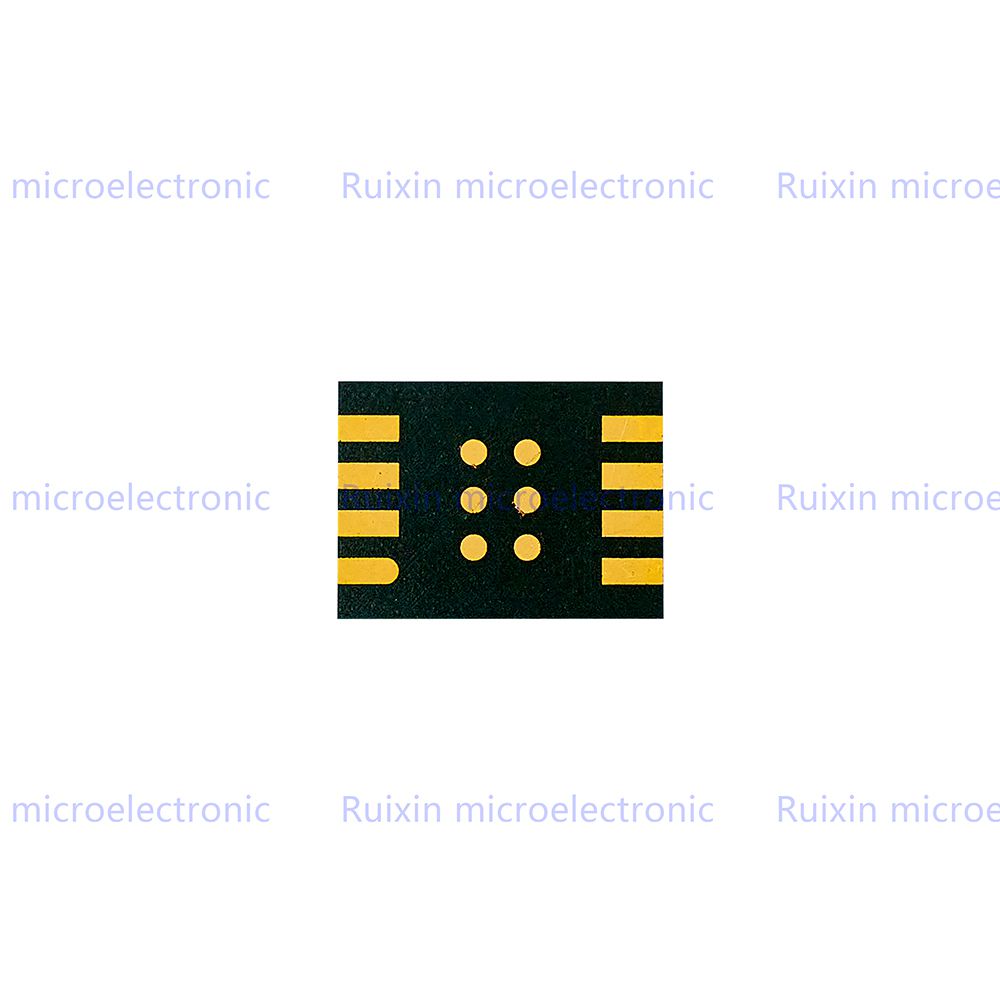 RuiXIN Devices with Soldered SD NAND Storage" />
While the advantages of soldered SD NAND storage are significant, there are notable downsides to consider. One of the most critical drawbacks is the lack of upgradability. Once soldered, the storage becomes part of the motherboard, making it impossible to replace or upgrade without replacing the entire board. This limitation can be frustrating for users wanting to enhance their device's storage capacity as data demands grow.
Another potential issue is the heat generated during high-speed operations. In practical scenarios, certain soldered SD NAND devices have demonstrated temperature increases of up to 20 degrees Celsius during extended use, which may impact system performance and longevity. For users in high-intensity applications, implementing effective thermal management solutions becomes essential.
To mitigate these disadvantages, it's advisable to assess your storage needs and choose models that offer a suitable balance between performance and longevity. Regular performance monitoring can also help address thermal challenges, ensuring your device operates within optimal conditions.
Determining whether soldered SD NAND storage is worth the investment largely depends on your specific use case. For industrial and mobile users who prioritize speed, reliability, and compact design, soldered SD NAND represents a powerful option that can lead to improved operational efficiency. The speed advantage, particularly in read/write operations, is an essential factor; an increase in operational throughput can also result in cost savings in the long run.
However, users who require flexibility in terms of storage capacity or may need to upgrade their systems frequently should weigh these options carefully. The inability to upgrade soldered storage can be a significant limitation for personal users or in environments where adaptability is key.
Users in specific fields, such as industrial computing or embedded system design, will find soldered SD NAND storage highly beneficial due to its speed and reliability. Similarly, mobile device manufacturers may also consider the integral designs and compact dimensions advantageous for creating slim devices. Conversely, users in need of a dynamic storage solution should consider alternatives that offer replaceable storage options. Ultimately, understanding your storage needs is crucial for making an informed decision on whether soldered SD NAND is right for you.
Soldered SD NAND storage is a non-removable type of flash storage soldered onto a device's motherboard, providing high-speed data access and durability.
Soldered SD NAND typically offers faster speeds, compact designs, and better durability compared to traditional SSDs, but lacks upgradeability.
The read/write speeds of soldered SD NAND can reach up to 600 MB/s, providing faster data access compared to many traditional storage options.
October 16,2026
Why Industrial Devices Need High-Endurance MicroSD CardsOctober 15,2026
Industrial MicroSD Vs Consumer MicroSD CardsOctober 15,2026
Tips for Avoiding Specification Confusion When Buying TF CardsOctober 15,2026
Guide to TF and MicroSD Capacity Standards