In the realm of data storage technology, industrial SSDs (Solid State Drives) produced by manufacturers like RuiXIN are vital for ensuring data integrity and operational efficiency. These drives are designed to endure extreme conditions and provide reliable performance. This guide dives into the key aspects of SSD endurance and power-loss protection, enabling organizations to make informed decisions about their data storage needs.
What is SSD Endurance?
SSD endurance refers to the ability of a Solid State Drive to withstand repeated write and erase cycles throughout its lifespan. This characteristic is crucial in industrial environments where high write workloads can deteriorate performance.
- Understanding TBW (Terabytes Written)
- Define TBW as a measure of how much data can be written to the SSD before it becomes unreliable.
- Provide examples of various endurance ratings based on TBW across different industrial SSDs.
- Factors Affecting Endurance
- Write amplification and its impact on SSD lifespan.
- The role of NAND flash type (SLC, MLC, TLC, QLC) in endurance ratings.
Importance of Power-Loss Protection
Power-loss protection is an essential feature in industrial SSDs to prevent data loss during unexpected power outages. This section discusses how it operates and its benefits.
- What is Power-Loss Protection?
- Explain how power-loss protection mechanisms work (e.g., capacitors that provide backup power).
- Discuss the implications of lacking power-loss protection for industrial applications.
- Implementation of Power-Loss Protection
- Provide tips on assessing SSDs for power-loss protection features.
- How to choose SSDs that prioritize this protection for mission-critical applications.
Evaluating Industrial SSDs: Key Considerations
- Performance Metrics
- Discuss essential performance metrics, such as read/write speeds, IOPS, and latency.
- Form Factor and Compatibility
- Outline the common form factors for industrial SSDs (e.g., 2.5”, M.2, and PCIe) and their applications.
- Environmental Considerations
- Factors like temperature range, shock/vibration resistance, and dust and humidity ratings that influence SSD selection.
Implementation Steps for Optimal SSD Use
Implementing industrial SSDs effectively involves careful planning and execution. This section outlines actionable steps to integrate SSDs into your operation.
- Assess Your Data Needs
- Evaluate the volume of data and frequency of access.
- Identify workloads that will leverage SSD performance.
- Choose the Right SSD
- Based on endurance, power-loss protection, and performance metrics.
- Refer to reputable sources, such as SSD vendors’ datasheets and user reviews.
- Implement Monitoring Tools
- Use tools like SMART (Self-Monitoring, Analysis, and Reporting Technology) to track SSD health and performance.
- Set up alerts for performance degradation or failures.
Best Practices for Maintaining SSD Health
To prolong the lifespan and performance of your industrial SSDs, adhere to the following best practices:
- Regular Backups
- Ensure data redundancy to avoid total loss in case of SSD failure.
- Firmware Updates
- Regularly update to the latest firmware to enhance performance and fix potential vulnerabilities.
- Avoid Overfilling the Drive
- Keep at least 10-20% of storage space free for optimal performance.
Conclusion: Future-Proof Your Data Storage
The proper selection of industrial SSDs, considering their endurance and power-loss protection capabilities, is paramount for safeguarding data integrity and operational continuity. Following this guide allows organizations to optimize their data storage strategies using high-quality products like those from RuiXIN. To visualize some of these products and specifications, refer to 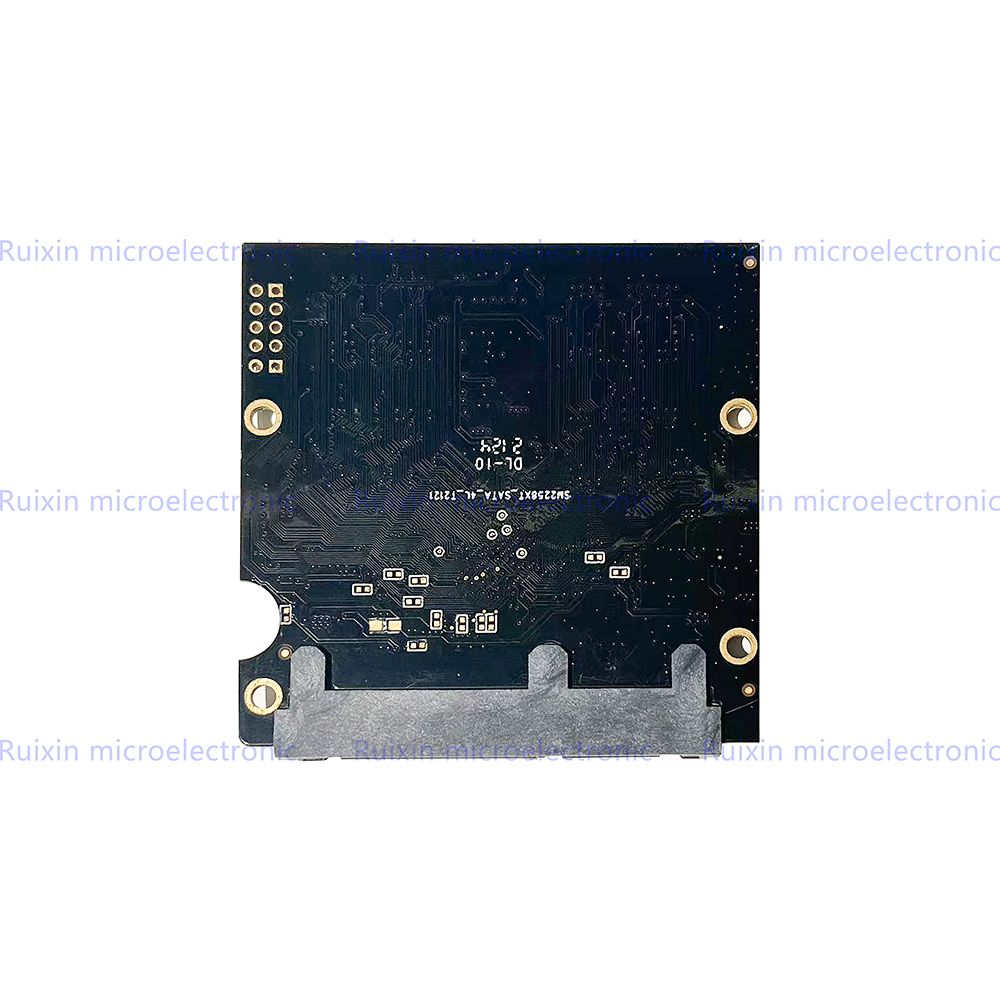 .