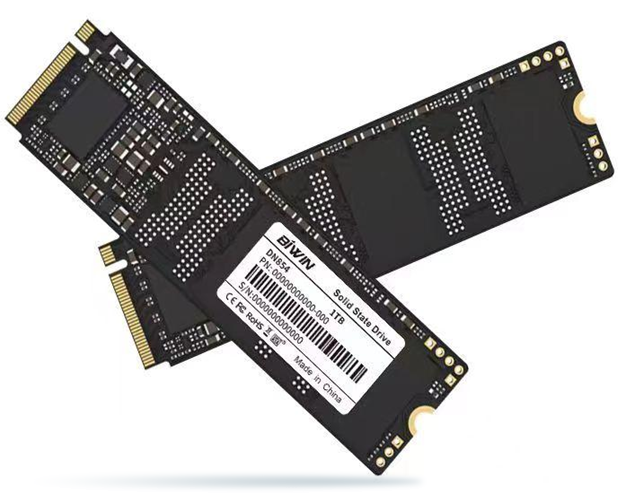
High capacity BGA (Ball Grid Array) storage solutions, particularly the 256GB and 512GB options, are revolutionizing the way we approach data storage in various applications. These integrated circuits offer compact designs with high performance, making them ideal for everything from smartphones to server farms. This guide aims to provide a comprehensive overview of high capacity BGA storage integration, covering key insights, challenges, and implementation strategies.
Understanding BGA Technology
- What is BGA?
- Definition of Ball Grid Array (BGA).
- Comparison with other packaging technologies (e.g., QFP, CSP).
- Benefits of BGA: thermal efficiency, reduced size, higher pin count.
- Key Components of BGA Storage
- Memory dies and their arrangement.
- Importance of substrate materials and ball placement.
- Evaluating the manufacturing process for BGA storage devices.
Benefits of High Capacity BGA Storage
- Space Efficiency
- How high-capacity BGA saves space in device architecture.
- The role of miniaturization in modern technology.
- Performance Enhancements
- Speed and reliability in data access.
- Examples of applications benefiting from high-speed BGA storage.
Challenges in Integrating BGA Storage
- Thermal Management
- Understanding thermal issues with BGA packages.
- Solutions for effective heat dissipation.
- Manufacturing Challenges
- Discuss challenges like soldering techniques and reliability.
- Quality control measures and testing protocols.
Steps to Implement High Capacity BGA Storage
- Step 1: Research and Design
- Assessing requirements based on application needs.
- Choosing the right specifications for BGA integration.
- Step 2: Component Selection
- Evaluating different manufacturers and models.
- Understanding the trade-offs between cost and performance.
- Step 3: Prototyping
- Creating a prototype to test BGA integration.
- Gathering feedback on performance metrics.
- Step 4: Full-Scale Production
- Setting up production lines for BGA assembly.
- Ensuring strict quality control processes.
Case Study: Successful BGA Storage Integration
- Overview of a Leading Manufacturer
- Detailing a specific company's approach to BGA storage integration.
- Results achieved post-implementation.
- Lessons Learned
- Key takeaways that can be applied to future projects.
- Incorporating success factors into your own strategies.
Future Trends in BGA Storage Technology
- Emerging Innovations
- What is on the horizon for BGA storage solutions?
- The impact of AI and IoT on BGA technology.
- Environmental Considerations
- Finding eco-friendly materials for BGA manufacturing.
- Updating disposal protocols for electronic waste.
Potential Areas for Further Research
- Advanced Materials and Techniques
- Investigation into nanomaterials for BGA storage.
- Development of faster communication methods.
- Application-Specific Innovations
- Exploration of unique BGA solutions tailored for industries like automotive and healthcare.
For more information on high capacity BGA storage solutions, consider visiting RuiXIN for the latest developments and products available in the market.